
Delicious food is waiting for you
Lorem ipsum dolor sit amet, consectetur adipiscing elit. Ut elit tellus, luctus nec ullamcorper mattis, pulvinar dapibus leo.
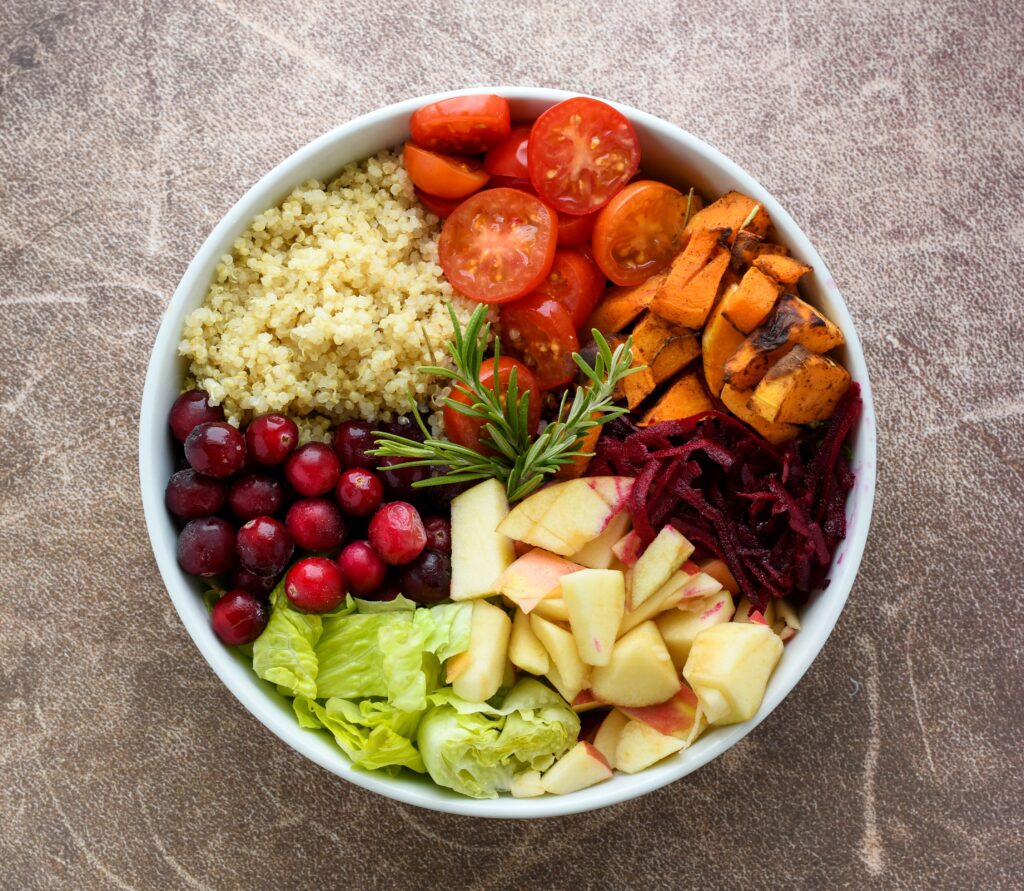
TOP LIST
Our Mainstay Menu
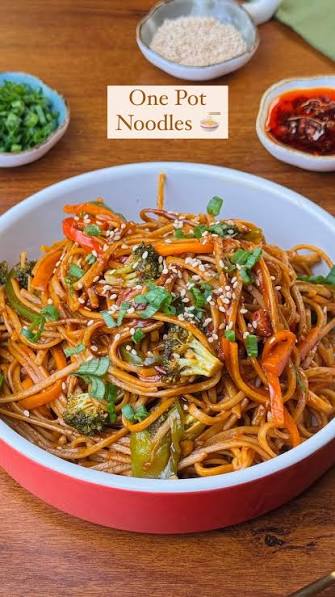
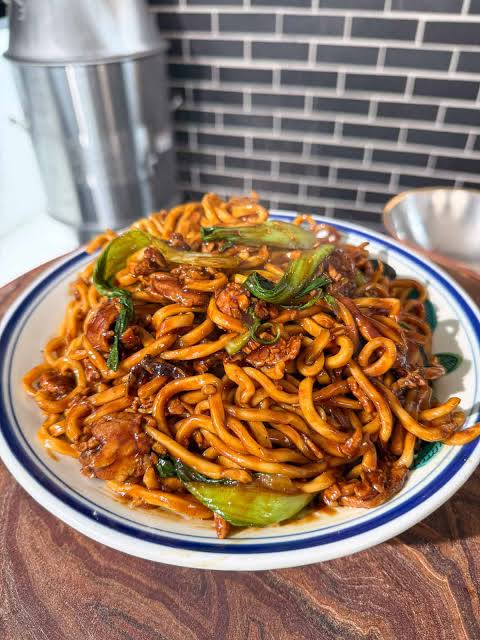

ipsum dolor sit amet, consectetur adipiscing elit. Ut elit tellus, luctus nec ullamcorper mattis, pulvinar dapibus leo.
Food
is one of the most important necessities of life. It provides the energy and nutrients our bodies need to grow, stay healthy, and perform daily activities. Every living being depends on food for survival. Besides satisfying hunger, food plays a vital role in maintaining physical health, improving mental well-being, and strengthening the immune system. Different cultures around the world have their own unique cuisines, making food an important part of traditions, celebrations, and social gatherings.
Food can be classified into several categories based on the nutrients it provides. Carbohydrates, found in rice, bread, potatoes, and cereals, are the main source of energy for the body. Proteins, present in eggs, fish, meat, beans, lentils, and dairy products, help build and repair body tissues. Fats provide stored energy and support cell growth, but they should be consumed in moderation. Vitamins and minerals, obtained from fruits and vegetables, protect the body from diseases and help various organs function properly. Water is another essential part of a healthy diet, as it keeps the body hydrated and supports digestion, circulation, and temperature regulation.
A balanced diet is the key to good health. It includes the right amounts of carbohydrates, proteins, fats, vitamins, minerals, fiber, and water. Eating a variety of foods ensures that the body receives all the nutrients it needs. Fresh fruits, leafy vegetables, whole grains, nuts, seeds, and lean proteins should be included in daily meals. Limiting the intake of processed foods, sugary drinks, and excessive salt or unhealthy fats can reduce the risk of obesity, diabetes, heart disease, and high blood pressure.
Healthy eating habits are equally important. Eating meals at regular times, chewing food properly, and avoiding overeating contribute to better digestion. Breakfast is often considered the most important meal of the day because it provides energy after a night’s sleep and helps improve concentration. Drinking enough water throughout the day is also essential for maintaining overall health. Combining healthy eating with regular physical activity and sufficient sleep leads to a healthier lifestyle.
Food is closely connected to culture and tradition. Every country has its own special dishes that reflect its history, climate, and local ingredients. In India, for example, different states are known for their unique cuisines, ranging from spicy curries and biryanis to dosas, idlis, and sweets. Festivals and family celebrations often revolve around preparing and sharing delicious meals. Food brings people together, strengthens relationships, and creates lasting memories.
Modern lifestyles have increased the popularity of fast food because it is convenient and easily available. However, frequent consumption of fast food can lead to health problems due to its high levels of unhealthy fats, sugar, and sodium. While enjoying such foods occasionally is acceptable, homemade meals prepared with fresh ingredients are generally healthier and more nutritious. Learning basic cooking skills also encourages healthier eating habits and helps people make informed food choices.
Food security is another important issue around the world. Millions of people still struggle with hunger and malnutrition because they do not have regular access to enough nutritious food. Reducing food waste, supporting sustainable farming, and sharing surplus food with those in need can help address this problem. Everyone has a role to play in using food responsibly and appreciating the effort of farmers who grow it.
In conclusion, food is much more than a source of nourishment. It supports growth, maintains health, brings people together, and reflects the diversity of cultures around the world. By choosing nutritious foods, following healthy eating habits, and avoiding unnecessary waste, we can improve our quality of life while contributing to a healthier and more sustainable future for everyone.